For Healthcare Professionals
When blood tells you what imaging cannot yet confirm.
At critical inflection points in treatment and follow-up, ctDNA-MRD often detects minimal residual disease weeks before imaging: data, not guesswork.
EHA 2024 · HR 4.61 (p<0.0001) for 18-month OS
"I founded LIQOMICS to close a gap I kept meeting in the clinic: too many cancer patients have no reliable way of knowing whether their disease will return, and no molecular basis for treating them as individuals."

Three decision points. One blood draw.
Diagnosis
Tumor genotyping without biopsy
Profile the full genetic tumor landscape from a single blood draw. No biopsy bias, no sampling gap. Additionally, MRD tracking for your patient is made possible.
Mid-Treatment
Escalate or de-escalate at cycle 2
Get fast, accurate insight into how each patient is responding to treatment, enabling personalized clinical decisions.
Post-Treatment
Surveillance after treatment completion
Serial ctDNA monitoring has detected molecular relapse significantly earlier than imaging in multiple published studies across cancers.
ctDNA rises and is often detectable months before imaging shows any change.
Schematic representation of liquid biopsy testing compared to imaging over the time course of treatment and surveillance.
Peer-reviewed validation across three independent cohorts.
LymphoVista is clinically validated in prospective studies published in Blood, HemaSphere, and Med. Our evidence covers Hodgkin lymphoma, LBCL, and CNS lymphoma.
Advanced Hodgkin lymphoma: MRD-2 after BrECADD predicts 4-year outcome with exceptional accuracy
72 patients from the GHSG HD21 trial (BrECADD vs. eBEACOPP). LymphoVista HL assessed ctDNA-MRD after 2 cycles of chemotherapy. MRD negativity after cycle 2 predicted 4-year progression-free survival with a hazard ratio that exceeds any single biomarker previously validated in lymphoma. Crucially, the prognostic signal was independent of PET-2 result: MRD-negative, PET-positive patients fared as well as MRD-negative, PET-negative patients, adding a molecular layer to equivocal imaging findings.
All LIQOMICS clinical evidence cited is from independent, peer-reviewed publications. LymphoVista is a laboratory-developed test (LDT).
Mapping ctDNA-MRD to the treatment continuum.
LymphoVista supports clinical decision-making across the full treatment trajectory. The timeline below maps each clinical landmark to the relevant evidence and decision support.
Diagnosis / Baseline profiling
LymphoVista / CancerVistaEssential baseline for all solid tumors and lymphomas. Tissue accepted for baseline genotyping when plasma yield is insufficient.
Plasma genotyping establishes a patient-specific molecular fingerprint for downstream MRD monitoring. Enables tumor characterization, risk stratification, and identification of actionable targets, even when tissue is insufficient.
Ready to explore a case?
Our clinical team is available for case review.
Scientific & Clinical Partners





Choose the right test for your patient.
Sample volume
20 ml blood
Sample type
Tissue accepted
for baseline genotyping
Turnaround
10-15 working days
Four steps. Collection kit provided by us.
Order the test
Request via our contact form or by phone. We send a collection kit and all required materials directly to your practice.
Take the sample
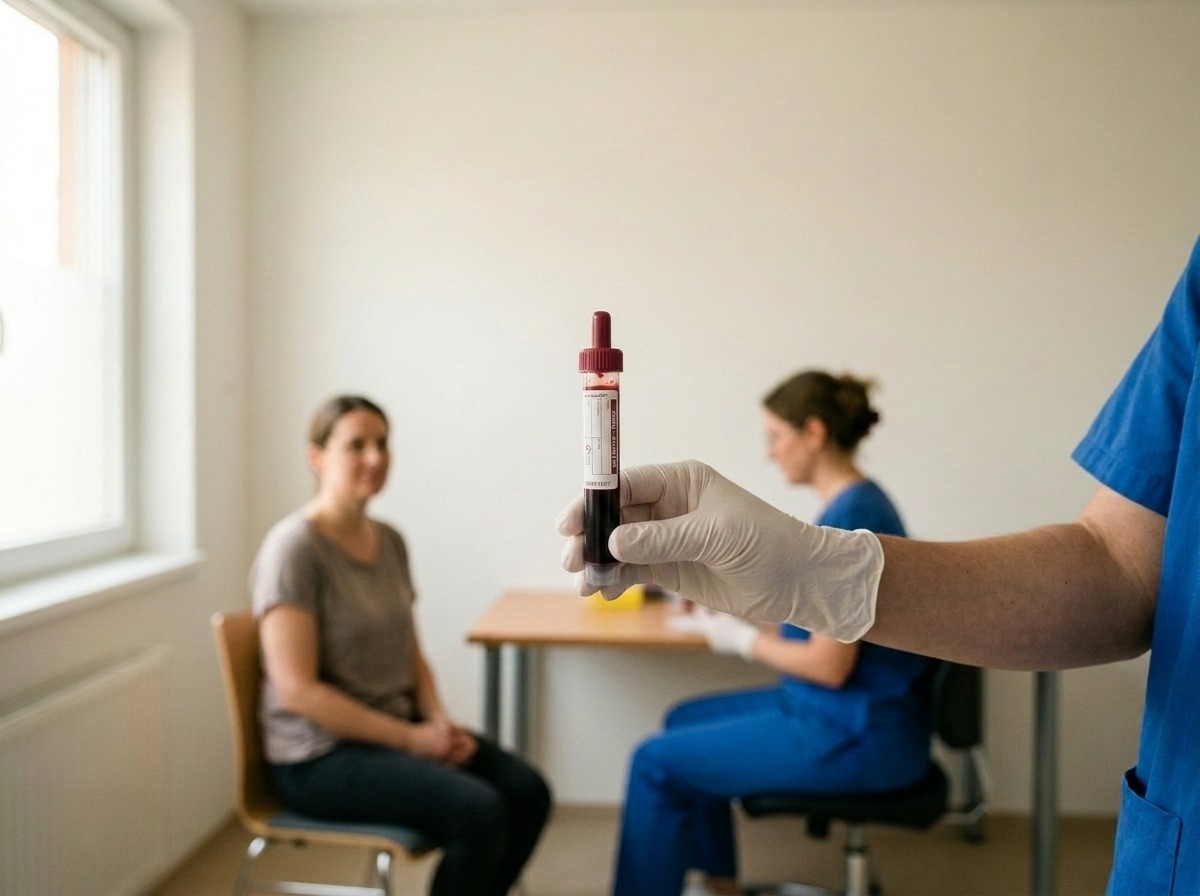
A routine 20 ml blood draw into the tubes provided in our collection kit. No special equipment or preparation required.
Lab analysis
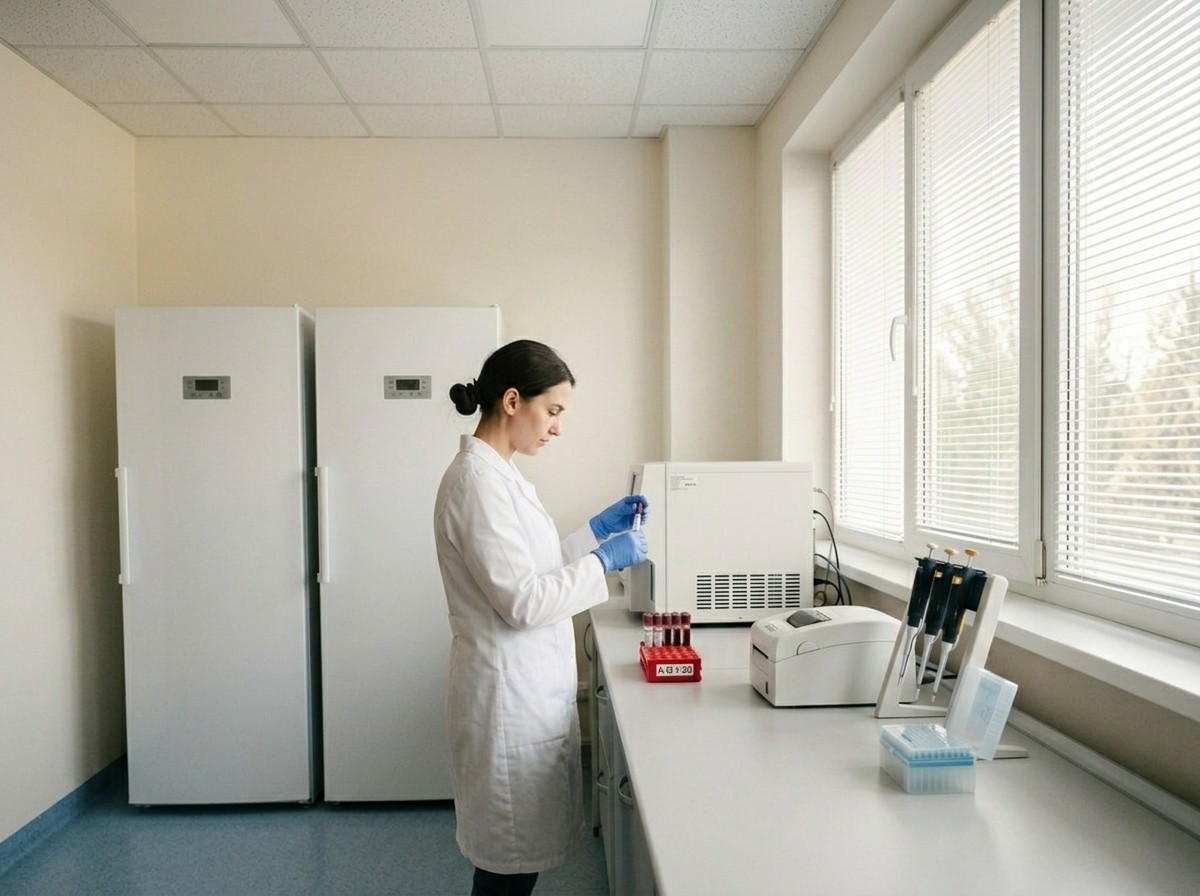
ctDNA and MRD analysis performed in Cologne, Germany. Turnaround 10-15 working days.
Receive the report
A structured clinical report delivered directly to you. Results include detailed genotyping results, MRD trajectory, and clinical interpretation.


Ready to submit your first case?
We'll get a test kit to your clinic right away.
Want the full clinical picture first? See the LymphoVista Service Profile in our Clinical Resources below.
The piece that connects you and your patient.
A short, plain-language guide explaining ctDNA-MRD testing, sample collection, and what the results mean: ready to hand to your patients.
From first case to routine use.
GoÄ Reimbursement Support
Pre-configured billing codes and documentation templates for German clinics.
Encrypted Report Delivery
Results delivered as an encrypted PDF. All data processed and stored in Germany under GDPR.
Clinical Interpretation Support
Direct access to our clinical team for report interpretation and case discussion, by phone or email.
Data Residency: Germany & the EU
All samples processed in Cologne. No data transfer outside Germany or the EU.
Forms & Materials
From question to clinical decision
Precise MRD Detection. Confident Clinical Decisions.
Use your patients' ctDNA as a clinical compass.