CancerVista
Earlier detection.
Confident decisions.
A ctDNA liquid biopsy that detects solid tumor recurrence months before imaging can confirm it.
Built on rigorous evidence
>99%
Sensitivity
At ≥1% VAF threshold
96.7%
Specificity
MRD detection at 2.5×10⁻⁵ threshold
2–4
Weeks
Turnaround time for an interpreted report
Know before imaging can show you
ctDNA detects recurrence a median of 5+ months before CT imaging confirms it.
A patient completes curative resection. CEA is normal. CancerVista detects ctDNA at month 3. CT confirms recurrence at month 8.

Decisions you couldn't make before
16 solid tumor types
Does it cover your patients? Find your tumor type:
Three steps. Everything else is handled.
Send a blood sample
Draw 20ml of peripheral blood from your patient. Ship using our standard collection kit. No specialized lab setup required.
We sequence and analyze
Our laboratory performs targeted sequencing and bioinformatic analysis. Patient-specific mutations are tracked across timepoints.
You receive an interpreted report
A Liqomics specialist interprets the results in clinical context and delivers a clear, actionable report within 2–4 weeks.


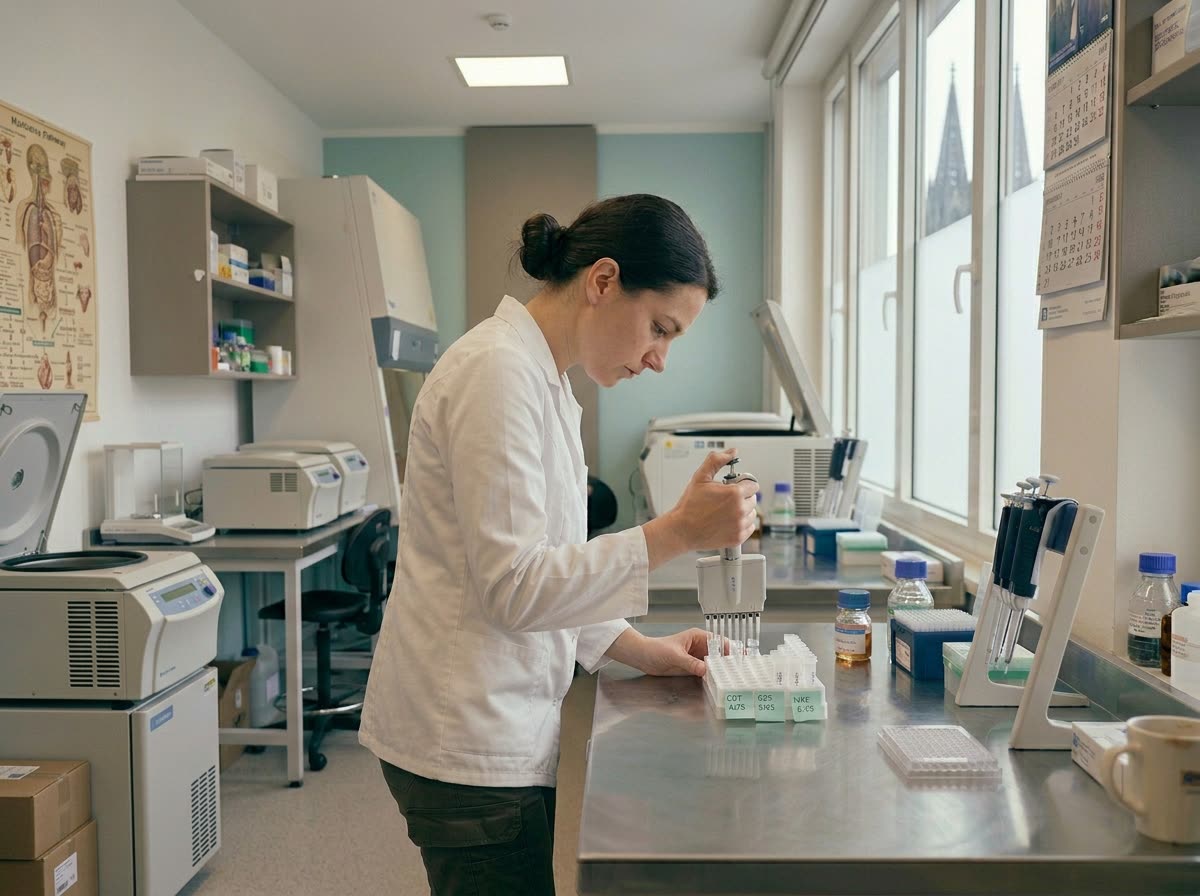

Built by an oncologist, for oncologists
"I've treated patients whose recurrence I missed until imaging confirmed what the blood had been showing for months. CancerVista exists to close that window."
Detect recurrence. Earlier.
Request our test protocol or speak directly with a Liqomics specialist.
Request Protocol →References
- 1 Jácome & Johnson. "Minimal Residual Disease in Colorectal Cancer: Are We Finding the Needle in a Haystack?" (2023)
- 2 Sabit, Attia & Mohamed et al. "Beyond traditional biopsies: the emerging role of ctDNA and MRD on breast cancer diagnosis and treatment" (2025)
- 3 Boukouris, Michaelidou & Joosse et al. "A comprehensive overview of minimal residual disease in the management of early-stage and locally advanced non-small cell lung cancer" (2025)