










Our Goal

Improving Cancer Treatment

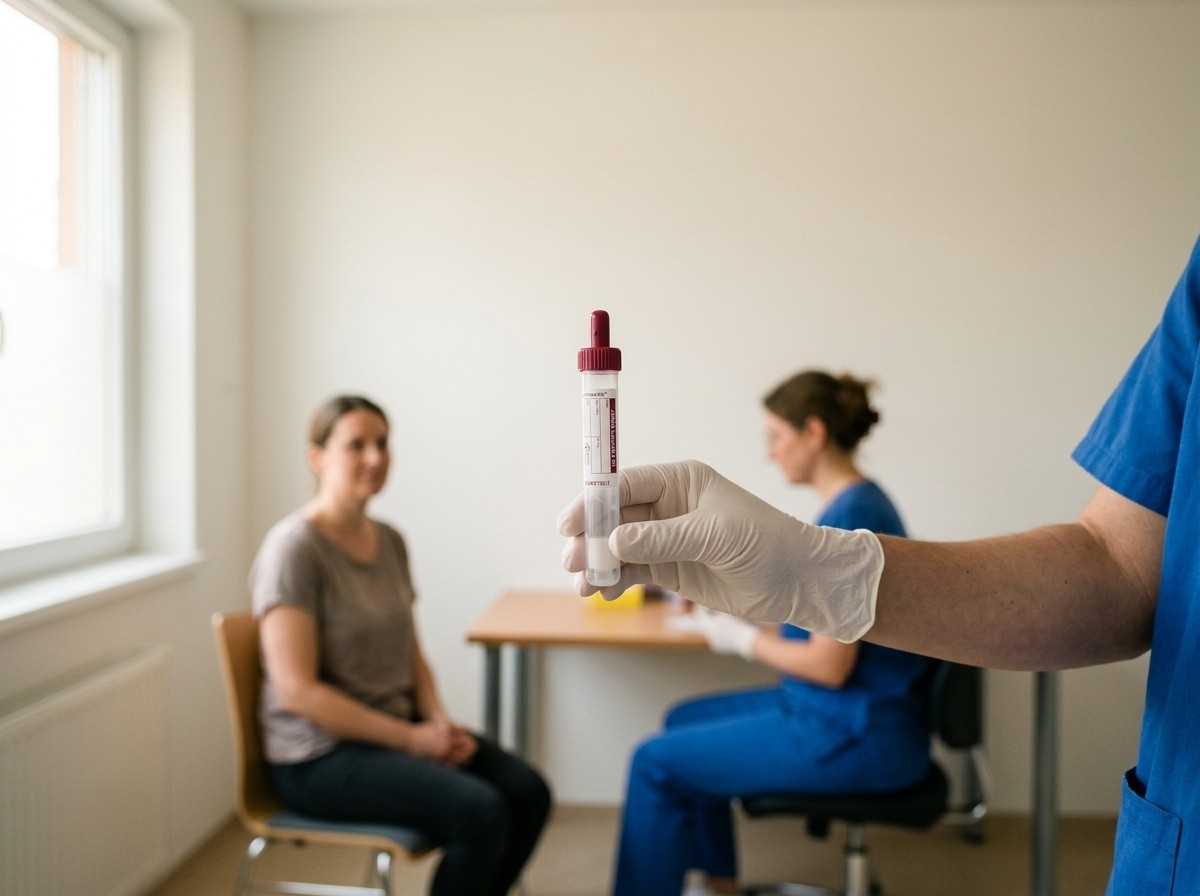
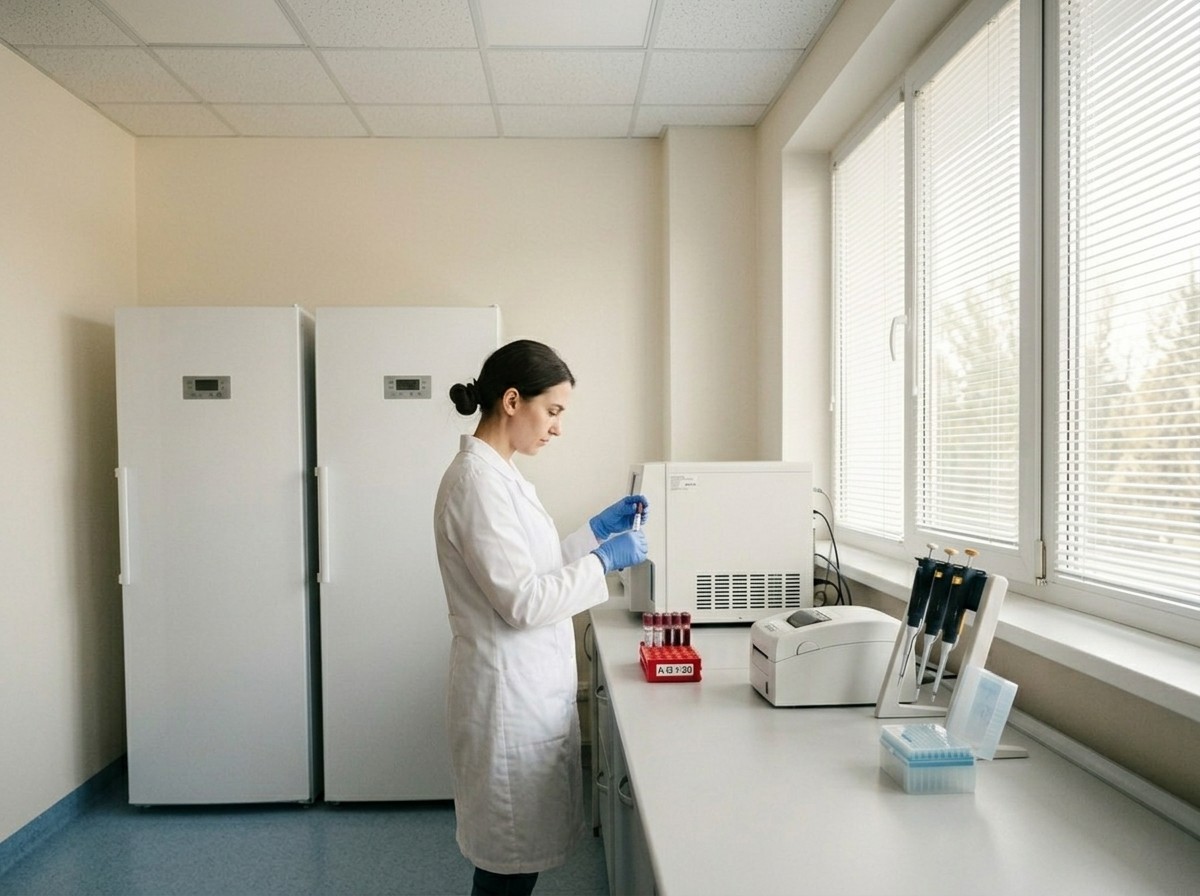
At LIQOMICS, we strive to improve cancer treatment. Using a simple blood sample, we analyze circulating tumor DNA (ctDNA) to understand the genetic characteristics of individual tumors. With this liquid biopsy, genetic changes in a tumor can be detected and the amount of remaining tumor can be determined very precisely.

Liquid Biopsy

Non-invasive diagnostics through circulating tumor DNA analysis

MRD Monitoring

Precise detection of minimal residual disease after therapy

Innovative Research

Research and product development in cell-free DNA

What is Minimal Residual Disease (MRD)?

Minimal Residual Disease (MRD), also known as measurable residual disease, refers to the small population of cancer cells that may remain in the body after treatment, such as chemotherapy, radiation therapy, or surgery. These remaining cancer cells are not detectable by conventional imaging methods such as CT or MRI, but can lead to relapse.

MRD status is an important prognostic marker in various cancer types, particularly in hematologic malignancies such as leukemias and lymphomas, but increasingly also in solid tumors. Detection of MRD is very helpful for assessing therapy response, predicting relapses, and individualizing treatment.

MRD diagnostics using liquid biopsy analyzes circulating tumor DNA (ctDNA) in blood and enables non-invasive, repeatable monitoring of disease progression. Compared to other methods, ctDNA-based MRD detection is much gentler for patients and can be performed more frequently.

Note: Detailed information on clinical studies, sensitivity/specificity and scientific evidence can be found on our page for doctors and in our publications.

Liquid Biopsy

Our liquid biopsy platform differs from other providers. We use duplex sequencing, gene enrichment tailored to specific tumor diseases, and proprietary bioinformatics for the highest sensitivity and specificity in genotyping and measuring minimal residual disease (MRD).

What is liquid biopsy and how does it help patients?

Liquid biopsy is a revolutionary, minimally invasive method for cancer diagnostics and monitoring. Unlike traditional tissue biopsies that require surgical intervention, we only need a simple blood sample - like a normal blood test at the doctor's office.

Cancer cells continuously release small DNA fragments (ctDNA) into the bloodstream. This circulating tumor DNA contains the same genetic changes as the tumor itself. By analyzing this ctDNA, we can:

  • Genetically characterize the tumor without surgery
  • Monitor therapy effectiveness in real time
  • Detect minimal residual disease after treatment
  • Identify cancer relapse at an early stage
  • Enable personalized therapy recommendations
NGS Sequencing

For patients, this can mean: less burdensome examinations, more precise therapy decisions and better treatment outcomes.

Products & Services

We support patients and their doctors with diagnostic tests and the pharmaceutical industry with research services

LymphoVista

Highly sensitive and specific ctDNA-based MRD test for lymphomas

  • Applicable to all B-cell lymphomas
  • Clinical data demonstrate prognostic benefit of the test in Hodgkin lymphoma (HL)1
  • Determination of therapy response in large B-cell lymphoma (LBCL)2
  • In-house IVD

CancerVista

Highly sensitive and specific ctDNA-based MRD test for solid tumors

  • Applicable to multiple forms of solid tumors
  • In-house IVD
  • Technically validated

MRD Diagnostics

Precise detection of minimal residual disease for various cancer types

  • Solid tumors
  • Hematologic malignancies
  • Therapy monitoring
  • Early recurrence detection

Research Services

Support for clinical trials and drug development

  • Biomarker development
  • Companion diagnostics
  • Study support
  • Custom assays

We’re Here to Support You

Do you have questions about our products and services? We are happy to advise you on your individual requirements.

Latest News

The latest developments in research and product development

Early Risk Stratification in Hodgkin Lymphoma: LymphoVista Validated in a Phase III Trial

Early Risk Stratification in Hodgkin Lymphoma: LymphoVista Validated in a Phase III Trial

May 19, 2026 Sven Borchmann MD, PHD, LIQOMICS founder and Managing Director

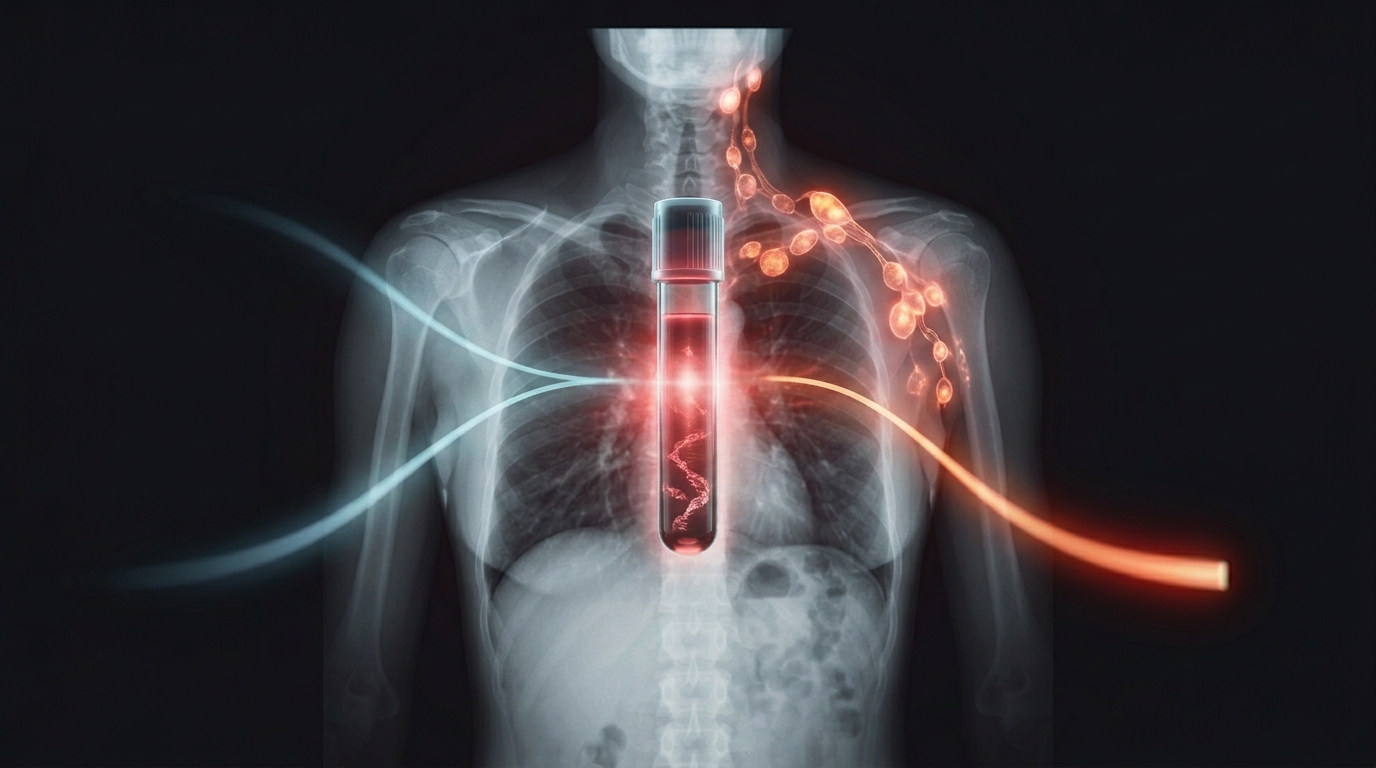
The GHSG HD21 substudy published in Blood demonstrates that LymphoVista detects ctDNA-MRD after just two cycles of chemotherapy, identifying patients at 5.3-fold higher risk of relapse and clarifying 70% of false-positive PET results.

Hodgkin lymphoma ctDNA MRD LymphoVista GHSG HD21 PET imaging risk stratification liquid biopsy hematology minimal residual disease
ctDNA-MRD Guides Treatment Decisions in Bladder Cancer: A Landmark Phase III Trial

ctDNA-MRD Guides Treatment Decisions in Bladder Cancer: A Landmark Phase III Trial

March 23, 2026 Sven Borchmann MD, PHD, LIQOMICS founder and Managing Director

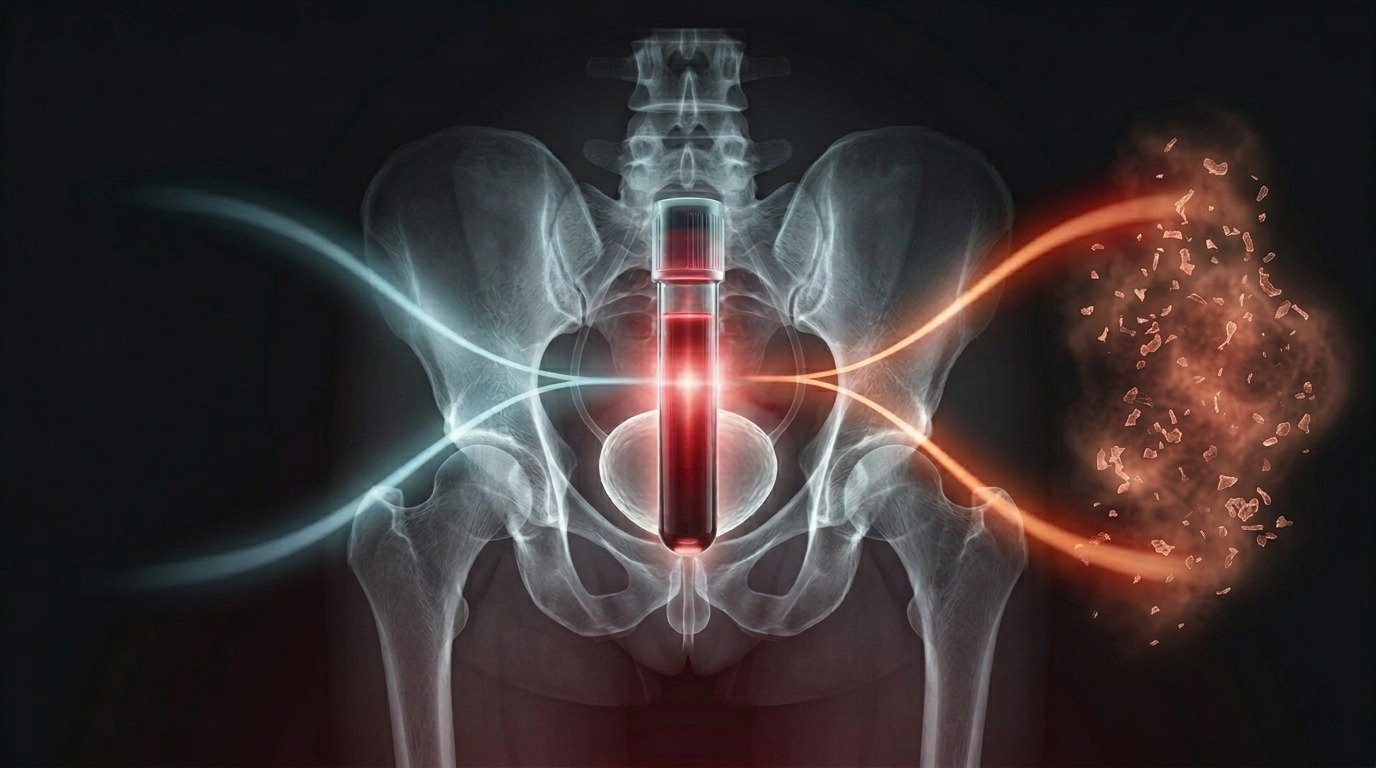
The IMvigor011 trial is the first randomised Phase III study to prove that ctDNA-MRD testing can guide adjuvant immunotherapy decisions in muscle-invasive bladder cancer, with a 36% reduction in disease recurrence risk and 97.1% survival in MRD-negative patients who received no treatment.

ctDNA MRD liquid biopsy bladder cancer MIBC IMvigor011 atezolizumab immunotherapy therapy guidance CancerVista
Bridging the Gap: Launching liquidbiopsyinfo.com

Bridging the Gap: Launching liquidbiopsyinfo.com

March 03, 2026 Sven Borchmann MD, PHD, LIQOMICS founder and Managing Director

LIQOMICS introduces liquidbiopsyinfo.com, a structured, evidence-based resource for liquid biopsy applications. Plus, our latest study on ctDNA-MRD in Hodgkin lymphoma is now published in Blood.

liquid biopsy liquidbiopsyinfo.com minimal residual disease MRD detection ctDNA sequencing Hodgkin lymphoma GHSG HD21 trial clinical diagnostics

References

1 Mattlener et al. Presentation at American Society of Hematology (ASH) Annual Meeting 2024

2 Schleifenbaum et al. Presentation at European Hematology Association (EHA) Annual Meeting 2024

Call us Use our Contact form Chat with us on WhatsApp